- Retirement can bring unexpected challenges, including loss of identity and purpose, heightened irritability, and difficulty adjusting to unstructured time.
- Many retirees experience feelings of guilt, grief, and disorientation as they navigate the transition from a structured work life to retirement.
- The emotional impact of retirement, such as loss of daily competence, strained relationships, and increased awareness of physical health, is often underestimated and can lead to unexpected struggles.
I had a countdown going for the last two years of my career. One of those paper chain things, like a kid waiting for Christmas. Every Friday, I’d tear one off and feel a little closer to freedom.
The first two weeks were everything I imagined. I slept in. I read on the porch. I took long walks with no destination and didn’t check my email once.
By week three, something shifted. The silence started to feel heavy. The open calendar that once looked like possibility started looking like emptiness. And I caught myself standing in the kitchen at 10 a.m. on a Tuesday, fully dressed, with absolutely nowhere to go—and the feeling that hit me wasn’t peace. It was panic.
Nobody told me retirement could feel like this. Everyone talked about what I’d gain. Nobody mentioned what I’d lose. Here’s what I learned.
1. I didn’t realize how much of my identity was tied to my job title
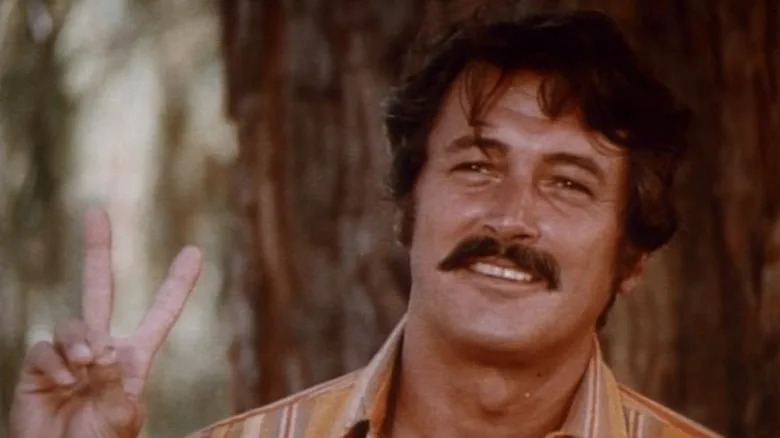
I spent thirty-plus years answering the question “What do you do?” with the same answer. It was automatic. It told people who I was before the conversation even started.
Now, when someone asks, I stumble. “I’m retired” doesn’t feel like an identity. It feels like the absence of one. I didn’t just lose a job. I lost the shorthand for who I am, and I wasn’t prepared for how disorienting that would feel.
2. I spent years dreaming about freedom, but it’s the one thing I can’t handle
For decades, I craved more hours in the day. Now I have all of them, and most mornings I don’t know what to do with the first one.
The problem isn’t boredom, exactly. It’s the weight of unstructured time.
When every hour belongs to you, and none of them are spoken for, each one carries a quiet pressure to be used well—and that pressure is more exhausting than any deadline I ever faced.
3. I feel guilty for not being happy about this
I know what I have. A pension. My health, mostly. A wife who’s patient with me, even when I’m pacing the house like a dog that hasn’t been walked.
And I know people who would trade places with me in a heartbeat—people still grinding through jobs they hate, counting the years until they can stop. So the fact that I stopped and feel worse makes me feel like something is wrong with me.
And I’m not alone in this. A surprising number of retirees report feeling worse, not better, in the first year—even when the retirement was voluntary, and the finances were fine.
The loss of routine and purpose hits harder than most people expect, and the guilt of struggling with something everyone assumes should feel like a gift makes it harder to talk about.
4. I’ve started picking fights I don’t even care about
With my wife. With the guy at the hardware store. With my son over something so small, I can’t even remember what started it.
I think the irritability is coming from somewhere specific. When you’re used to solving problems all day, and suddenly there are none, your brain starts manufacturing them.
The conflict gives me something to engage with, and that feels better than just sitting with the emptiness.
And apparently, this is common. A lot of new retirees go through a phase of heightened irritability, and it usually traces back to the brain suddenly having nothing to chew on. The brain doesn’t downshift smoothly. It looks for friction.
5. I keep almost starting things and then stopping
The guitar I ordered is leaning against the wall.
The woodworking class I bookmarked is still open in my browser.
The novel I was going to write has a title and nothing else.
I thought I’d fill the time with passions. Instead, I start something, feel the gap between where I am and where I’d need to be to enjoy it, and quietly abandon it. The follow-through that defined my career has completely vanished, and I don’t know where it went.
I think part of it is that at work, someone was always expecting the finished product. Now the only person waiting on me is me, and apparently that’s not enough pressure to get me moving.
6. I didn’t expect to grieve something I chose to leave
Nobody died. Nothing was taken from me. I walked away voluntarily, with a party and a sheet cake and a card signed by people I’ll probably never see again.
But it still feels like a loss. The routine. The purpose. The colleagues who understood a version of me that my family never really saw. I miss the casual hallway conversations more than I ever thought I would.
You’re not supposed to grieve something you chose. But I am.
7. I’m feeling the pressure in my marriage
We were great when we had separate lives during the day. She had her routine. I had mine. We reconnected in the evenings, and it worked.
Now I’m home all day. Every day. And the dynamic that functioned beautifully with built-in distance is straining under constant proximity. We’re not fighting about anything big. We’re bumping into each other in ways we never had to before.
I love my wife. But I’m learning that a good marriage needs more breathing room than retirement naturally provides.
8. I feel like I’m watching everyone else’s life continue while mine paused
My friends who still work talk about projects and deadlines and office drama, and I nod along like I’m still in the game. But I’m not. The world kept moving, and I stepped off.
The hardest part isn’t being left out. It’s realizing that the job was my reason for being in the conversation—and without it, I don’t know what I’m supposed to say.
I used to have stories from the week. These days, when someone asks what I’ve been up to, I freeze—because the honest answer is nothing that sounds worth mentioning.
9. I’ve started sleeping worse, not better
I assumed retirement would fix my sleep. No alarm. No stress. No Sunday-night dread. But instead of sleeping more, I’m sleeping worse—waking up at 3 a.m. with a kind of low-grade restlessness that doesn’t have a name.
And there’s a reason for it. Without a consistent schedule—regular wake times, physical activity built into the day, the mental fatigue from a full workload—your body loses track of when it’s supposed to shut down. The sleep problems aren’t from stress. They’re from the absence of structure.
10. I’ve lost the thing that made me feel competent every day
At work, I knew what I was doing. I was good at it. People came to me with problems and I solved them. There was a rhythm to that—a daily confirmation that I was capable and necessary.
Now the most complex decision I make before noon is what to have for lunch.
And that might sound like a joke, but the absence of challenge has done something to my confidence I didn’t see coming. It turns out the loss of daily competence is one of the most underestimated emotional hits of retirement—especially for people whose self-worth was closely tied to how they performed at work.
11. I’ve become more aware of my body—and not in a good way
When I was working, I could ignore the knee that ached and the back that stiffened. There was too much to do to sit with any of it.
Now every ache gets my full attention. Every new sensation becomes a Google search I regret. Studies have found that retirees often report feeling physically worse in the first year—not because their health declined, but because they finally have time to notice what was already there.
12. I didn’t plan for who I’d be after I stopped working
I planned the finances. I planned the healthcare. I planned the travel. I planned everything that could go on a spreadsheet and absolutely nothing that couldn’t.
Nobody told me to plan for the identity crisis. Nobody said, “Figure out who you are without this job before you leave it.”
The financial side of retirement is the easy part. The existential side is the thing no one prepares you for.
Brad Roberts